Keynote Speakers
 Martha Bigelow (archived copy)
Professor, Department of Curriculum and Instruction
University of Minnesota, USA
Keynote Topic:
“The intercultural and the interpersonal in world language teaching: Changing the world one class at a time”
Keynote Abstract:
Today’s multicultural world is a fantastic backdrop to culture(s) teaching in language learning classes. However, macro- and micro-level discourses about language learning purposes, which languages are taught, teacher experience and training, and curricular traditions influence the degree to which language instruction can be interpersonally and interculturally transformative for learners. To address these challenges, we can move through and beyond teaching about culture into profound learning of self and difference. This talk will explore new ways of integrating culture and language that build on what we know about culture teaching and how teachers think about culture. Dilemmas such as how to make spaces for and envision using a world language, regardless of proficiency level, to promote cultural inquiry in conjunction with developing an understanding self and difference will be explored as instructional and curricular goals.
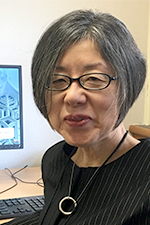 Minako O’Hagan
Associate Professor, School of Cultures, Languages and Linguistics
The University of Auckland, New Zealand
Keynote Topic:
“The Human and the Machine: The future of work for translators and linguists”
Keynote Abstract:
Digital technology and global communications platforms have made translation an everyday function which is available cheaply and at one’s figure tips. The volume of translations produced via automatic translation systems such as Google Translate has far exceeded that of human translations for some time now. ‘Data’ and ‘machine learning’ are today’s buzzwords and human translation data has become a valuable resource to train data-hungry Machine Translation (MT) such as the current state of the art Neural MT. Post-editing is now a routine part of the work of many professional translators whereby they edit machine translated texts rather than translating from scratch. As MT goes from strength to strength taking its nourishment from human translations, research in translation studies points to translators’ anxiety but also their acceptance of technology and desire to upskill with knowledge on the technology. Against this backdrop, I reflect on the evolving role of human translators and linguists alike. As well as referring to my own experience of the early impact of technologies on translators’ work, I draw on the insights gained from the recent edited volume Routledge Handbook of Translation and Technology (O’Hagan 2019). This presentation ponders the relationship between the human and the machine and the nature of human and machine intelligence involved in translation. In so doing I seek to explore the future of work for translators and linguists alike especially centred on ethics, trust and empathy.